The Importance of Choosing the Right Orthodontist for Your Smile Journey
Choosing the right orthodontist is a crucial choice in achieving an ideal smile. This choice influences not only the success of the treatment but also the complete experience. A skilled orthodontist appreciates individual needs and adjusts plans appropriately. Additionally, their ability to communicate effectively can considerably elevate patient comfort. As the treatment progresses, the significance of this decision becomes increasingly evident, generating questions about what characteristics truly matter in an professional specialist.
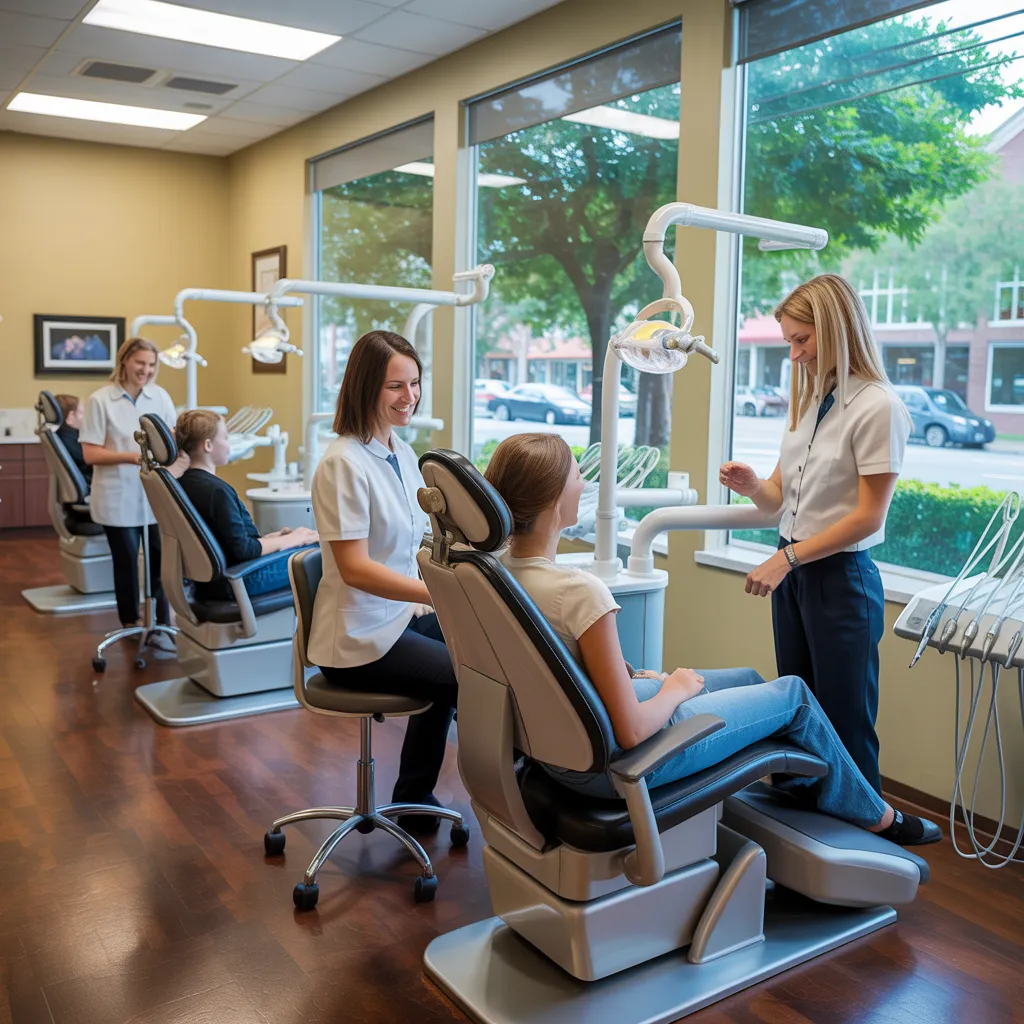
Why Selecting the Right Orthodontist Is Important for Your Smile
Selecting the ideal orthodontist is crucial, as a qualified professional can significantly influence the quality of one's smile. The path to attaining a perfect smile requires not only professional knowledge but also a profound understanding of individual needs. An experienced orthodontist employs personalized treatment plans, guaranteeing that each patient benefits from personalized attention based on their unique dental structure.
Moreover, the selection of orthodontist affects not only the success of the treatment but also the entire experience. A communicative and supportive orthodontist cultivates a positive environment, enabling patients to ask questions and express concerns throughout the course of treatment.

Furthermore, the ideal orthodontist stays updated with the latest developments in orthodontic methods and technology, which can enable more successful and streamlined treatments. At the end of the day, picking a experienced orthodontist is a significant step toward reaching a stunning, healthy smile that can boost confidence and better your quality of life.
Essential Qualities to Consider in Your Orthodontist
Achieving a positive orthodontic outcome depends on identifying certain key qualities in an orthodontist. To begin with, a solid educational foundation and appropriate certifications are crucial, guaranteeing that the orthodontist possesses up-to-date training and expertise in modern techniques. Furthermore, the capacity to communicate effectively is absolutely essential; the orthodontist should be able to explain treatment options clearly and address any patient concerns.
Furthermore, a compassionate and patient-centered approach can substantially enrich the patient experience. An orthodontist who listens to their patients establishes trust and comfort throughout the entire treatment journey. In addition, a friendly and efficiently structured practice environment conveys commitment to excellence and consideration for patients' valuable time.
Additionally, consider the availability of advanced technology and treatment options. An orthodontist who welcomes new techniques is likely to provide higher quality and streamlined treatment. By considering these important attributes, people can reach thoughtful conclusions, contributing to a truly fulfilling orthodontic process.
The Way Experience and Specialization Influence Orthodontic Outcomes
Experience and expertise serve as critical factors in influencing the outcomes of orthodontic treatment. A highly experienced orthodontist is more likely to navigate complex cases effectively, limiting potential complications and achieving superior results. Their familiarity with various techniques and technologies allows for a tailored approach to each patient's unique needs.
Specialization in orthodontics greatly elevates care quality. Orthodontists who dedicate themselves exclusively to this specialty remain current on the most recent developments, guaranteeing they utilize the most effective methods. Such specialization often results in greater diagnostic precision and tailored treatment plans that benefit both the practical and visual outcomes.
Furthermore, an experienced orthodontist can swiftly spot potential problems during the course of treatment, making timely adjustments that can considerably shape the ultimate result. In the end, opting for an orthodontist with a well-documented history of results and area of expertise is crucial for securing a beautiful and healthy smile, as their proficiency and insight directly impact the effectiveness of the treatment process.
Selecting Your Orthodontic Treatment
What factors should one consider when deciding on an orthodontic treatment? Initially, the kind of dental irregularity plays a vital role. Various options, such as traditional metal braces, tooth-colored ceramic braces, and clear aligners, accommodate diverse requirements and preferences. The intricacy of the dental issue also influences treatment choice; greater misalignment problems may necessitate targeted methods. Next, the length of treatment is a key consideration. Many patients seek a timeline that aligns with personal commitments or aesthetic concerns.
Cost serves as one more crucial factor, as orthodontic treatments can differ significantly in cost. Coverage from insurance may additionally have an impact in the decision-making process. Additionally, individual personal preferences, including nutritional limitations and care routines, should be evaluated. Lastly, speaking with an orthodontist can provide insights into the most effective and suitable treatment choices based on a patient's individual dental needs. This detailed review confirms that individuals begin a successful orthodontic journey.
Why Comfort and Communication Are Essential to Your Orthodontic Journey
As patients embark on an orthodontic journey, comfort and dialogue surface as key components that profoundly affect the overall experience. A patient's sense of ease in the orthodontic space can considerably affect their openness to committing to treatment. An hospitable atmosphere, along with a compassionate staff, fosters relaxation and trust, helping appointments feel more approachable.
Clear communication is just as important. An orthodontist who carefully attends to patient concerns and thoroughly explains treatments ensures that patients feel respected and heard. This candid approach serves to ease worry and encourages a partnership-based relationship, where patients are more apt to comply with their prescribed treatments.
Additionally, a strong relationship between the orthodontist and the patient can contribute to improved outcomes. When patients feel confident conveying their concerns and desires, orthodontists can customize treatment to accommodate individual needs. Ultimately, emphasizing open assessment communication and patient comfort sets the stage for a successful orthodontic experience, enhancing both patient satisfaction and treatment outcomes.
What You Can Expect at Your First Orthodontist Consultation?
During the initial consultation with an orthodontist, patients will experience a detailed examination of their dental health and alignment. This first appointment typically involves a comprehensive examination of the teeth, jaws, and facial structure. The orthodontist may take dental impressions, X-rays, and photographs to assess the patient's unique dental situation.
Following the assessment, the orthodontic specialist will review potential treatment options customized for the individual's needs. This involves an explanation of the different kinds of aligners or braces available and the approximate length of treatment. Patients are invited to ask questions and express any concerns they may have about the process.
In addition, this visit serves as a chance to gauge the degree of comfort with the dental professional and the practice environment, which is important for building a positive rapport throughout the treatment experience. In summary, the initial consultation is an essential step in attaining a healthier and more attractive smile.
Common Questions and Answers
How Much Time Will My Orthodontic Treatment Require?
Orthodontic treatment duration typically ranges from half a year to two years, influenced by personal requirements, case complexity, and the orthodontic appliances chosen. Regular consultations with the orthodontist can provide more accurate timelines.
What Are the Costs Associated With Different Treatment Options?
The costs linked to various orthodontic treatment options differ significantly, typically ranging from $3,000 to $8,000. The elements that affect these expenses encompass the treatment type, length, and personal orthodontic requirements, influencing the total budgetary planning that patients must take into account.
Are There Age Limits for Starting Orthodontic Treatment?
In most cases, there are no firm age requirements for initiating orthodontic treatment. Patients of all ages can benefit, though early evaluations often lead to more effective interventions, promoting optimal dental health and alignment over time.
Do I Need to Wear a Retainer Following Treatment?
Indeed, using a retainer after orthodontic treatment is essential. It works to maintain proper tooth alignment and prevents them from shifting back. Following through with retainer usage plays a significant role in achieving lasting outcomes and a beautiful, stable smile.
How Can I Maintain Oral Hygiene During Orthodontic Treatment?
To preserve oral health throughout orthodontic treatment, one should clean their teeth following every meal, utilize fluoride-based toothpaste, floss on a consistent basis, and explore the option of an orthodontic toothbrush. In addition, scheduled dental appointments are vital for tracking oral health during the treatment process.