Preventive Dental Care: Key Practices for a Healthier Smile
Preventive dental care is crucial for maintaining oral health and preventing future complications. Regular check-ups, strong daily oral care practices, and a well-rounded diet serve as cornerstones of this process. These practices not only protect teeth and gums but also contribute to overall well-being. However, many individuals overlook critical components of their oral hygiene. Becoming aware of these aspects can lead to a healthier and more radiant smile and enhanced well-being. What specific strategies can make a significant difference?
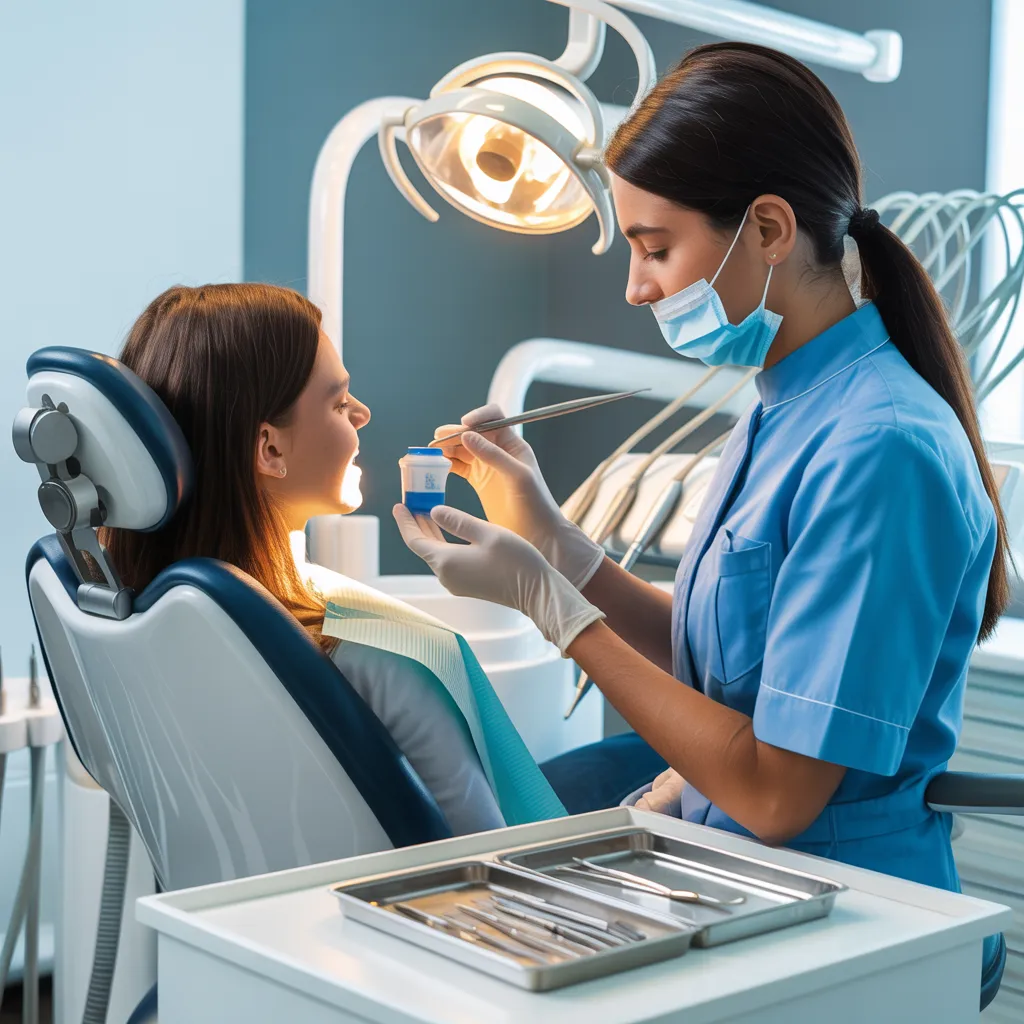
Why Preventive Dental Care Matters for Your Smile
What makes preventive dental care so important for a healthy smile? Preventive dental care serves as a cornerstone of lasting oral health. Routine check-ups and cleanings allow dental professionals to detect potential concerns early, minimizing the likelihood of cavities, gum disease, and additional dental complications. These regular appointments allow dental experts to offer personalized guidance suited to each patient's unique needs, encouraging better oral hygiene habits at home.
Additionally, preventive dentistry encourages a forward-thinking mindset, inspiring individuals to prioritize their dental health. By utilizing fluoride treatments and sealants, people can more effectively shield their teeth from cavities. Moreover, education on proper brushing and flossing techniques allows people to sustain their dental hygiene successfully. In summary, preventive oral care not only protects the strength of one's teeth but also improves general health, securing a vibrant and enduring smile for the long term.
The Role of Nutrition in Preventive Dental Care
Nutrition significantly impacts overall oral health and dental disease prevention. An essential-nutrient-rich balanced diet aids in developing and maintaining healthy teeth and gums. Key vitamins, such as calcium and vitamin D, serve a fundamental purpose in fortifying tooth enamel and promoting jawbone integrity. High-fiber foods, including fruits and vegetables, not only encourage saliva production—a critical natural safeguard against cavities—but also assist in naturally cleansing the teeth.
In contrast, excessive consumption of sugary and acidic foods can lead to tooth decay and enamel erosion. Drinks such as soda and fruit juices carry considerable risks because of their elevated sugar content. Furthermore, a diet lacking in essential nutrients can weaken the immune system, making it harder for the body to combat oral infections. Consequently, maintaining a wholesome diet is vital for people aiming to strengthen their preventive dental care and cultivate a healthier smile.
Everyday Habits for Preventive Dental Wellness
Effective daily habits are vital for maintaining ideal oral health and preventing dental issues. Brushing teeth at least twice a day with fluoride toothpaste helps remove plaque, a primary cause of cavities and gum disease. Flossing once daily is equally important, as it cleans areas that toothbrushes cannot reach, thereby reducing the risk of tooth decay and gingivitis.
Additionally, using an antimicrobial mouthwash can give added protection against damaging bacteria. Cutting back on sugary snacks and beverages is also crucial; regular exposure to sugar can result in enamel erosion and cavities. Consuming water consistently, especially after eating, supports the removal of food particles and helps maintain proper moisture levels in the mouth.
Routinely changing toothbrushes every three to four months promotes optimal cleaning performance. Consistently following these daily routines builds a reliable framework for preventive dental care, promoting a healthier smile and minimizing the need for extensive dental treatments.
Getting the Most Out of Your Dental Check-Up?
While many people consider dental check-ups to be standard visits, making the most of these appointments can significantly improve oral health. To make this possible, patients are encouraged to plan ahead by putting together a list of questions or issues related to their oral health. Getting there early gives patients enough time to handle essential paperwork in a relaxed manner.
During the appointment, clear communication with the dental professional is crucial. People should mention any updates in their medical history, prescriptions, or lifestyle choices that might influence their dental care. Moreover, requesting clarification regarding advised procedures or preventive approaches can deliver important information.
After the check-up, maintaining a proactive approach is important. Arranging follow-up consultations as suggested and following recommended dental hygiene routines can strengthen the advantages gained from the visit. By taking these steps, patients can ensure that their dental visits function not simply as routine obligations but as integral components of their overall health strategy.
Oral Health Issues Avoided Through Proper Dental Care
Good oral care plays a vital role in avoiding frequent dental problems such as dental caries and enamel erosion. Frequent brushing, flossing, and periodic dental appointments are instrumental in supporting gum health and reducing the likelihood of gum disease. By focusing on these routines, individuals can markedly reduce their risk of serious dental problems.
Tooth Decay and Cavities
Cavities and tooth decay represent important dental problems which can be greatly reduced through dedicated dental care routines. Such problems arise when plaque, a harmful bacterial film, builds up on teeth and releases acids that damage enamel. Regular brushing with fluoride toothpaste, combined with daily flossing, effectively removes plaque and reduces the risk of decay. Moreover, cutting back on sugary and acidic foods and beverages is crucial for sustaining good dental health. Regular dental visits enable the early identification and management of potential problems, providing added protection against cavities. By following these preventative steps, people can significantly reduce their risk of developing cavities, promoting a stronger and more durable smile over time.
Prevention of Gum Disease
Preventing gum disease requires consistent oral hygiene practices and awareness of its early signs. Regular brushing and flossing are essential, as they help remove plaque and food particles that can lead to inflammation. Everyone should endeavor to brush no less than twice a day and floss once to sustain proper gum health. Furthermore, regular dental visits are essential for timely detection and treatment. Dental professionals can detect indicators of gum disease, including swelling or bleeding, before they worsen. A balanced diet, rich in vitamins and minerals, also supports gum health, while reducing sugary snacks can mitigate plaque formation. By focusing on these habits, people significantly reduce their chances of developing gum disease, supporting their overall oral health.
Lasting Advice for a Beautiful Smile
Maintaining a healthy smile necessitates steady commitment and focus on oral care practices. Consistent dental appointments, daily oral care, and nutritious dietary habits are critical components of long-term dental health. By incorporating these habits into everyday routines, individuals can significantly improve their overall oral health.
Routine Dental Examinations
Periodic dental appointments serve a vital purpose in maintaining long-term oral health. These check-ups enable dental professionals to monitor and address developing concerns, such as dental caries or gingival conditions, before they develop into significant complications. During these visits, thorough dental cleanings eliminate plaque and calculus deposits, supporting improved dental and gum health. Additionally, dentists can offer tailored guidance suited to each patient's requirements, including dietary recommendations and lifestyle changes that enhance dental health. Routine appointments also facilitate early detection of oral malignancies and systemic diseases, which can have serious consequences for general wellbeing. By maintaining a schedule of routine appointments, individuals can preserve optimal dental wellness and enjoy a brighter, more confident smile for the long term.
Daily Oral Hygiene
A consistent daily oral hygiene routine is essential for achieving and sustaining a healthy smile. This practice commonly includes brushing teeth at least two times per day with fluoride toothpaste, ensuring that every surface is carefully cleaned. Flossing every day is equally essential, as it clears food particles and plaque from regions that toothbrushes fail to reach. Moreover, utilizing an antimicrobial mouthwash can aid in diminishing bacteria and keeping breath fresh. Regularly replacing toothbrushes every three to four months maintains efficacy. People should likewise pay attention to their brushing method, choosing soft, circular movements to prevent gum damage. Establishing these habits not only prevents cavities and gum disease but also contributes to overall oral health and well-being. Staying consistent is essential for achieving lasting results.
Equilibrated Food Choices
Oral hygiene habits alone are not enough to ensure optimal dental health, proper dietary choices are essential for keeping your smile healthy. Consuming a diet abundant in fruits, vegetables, lean proteins, and whole grains delivers vital nutrients that promote dental health. Dairy products and leafy greens provide calcium and vitamin D that fortify tooth enamel, and phosphorus supports the remineralization process. Limiting sugary snacks and acidic beverages is vital, as these can lead to tooth decay and erosion. Staying well-hydrated with water also assists in rinsing away food debris and harmful bacteria. Frequently consuming crunchy fruits and vegetables may boost saliva production, which acts as a natural protective mechanism against cavities. When individuals focus on maintaining balanced nutrition, they can considerably strengthen their long-term dental well-being.
Frequently Asked Questions
When Should I Replace My Toothbrush?
Experts recommend replacing a toothbrush every three to four months, or earlier if the bristles show signs of wear. Routine replacement promotes proper oral hygiene and effective plaque removal, supporting long-term dental health and wellness.
Are Electric Toothbrushes Better Than Manual Ones?
Studies suggest that electric toothbrushes are frequently superior to manual ones, particularly in decreasing plaque and preventing gum disease. Their consistent brushing motion often leads to enhanced dental hygiene results for numerous individuals.
Do Dental Sealants Offer Benefits for Adults as Well?
Absolutely, dental sealants offer benefits for adults by providing added protection against cavities, especially in difficult-to-clean areas. They work to minimize the risk of decay, making them a worthwhile solution for supporting oral health across the adult years.
What Are the Symptoms of Gum Disease?
Indicators of gum disease involve inflamed or bleeding gums, chronic bad breath, receding gumlines, teeth that become loose, and changes in bite alignment. Prompt detection is crucial for successful treatment and avoiding additional oral health complications.
How Does Stress Impact Oral Health?
Stress may have a harmful impact on oral health by increasing teeth grinding, take the first step leading to jaw pain and enamel wear. It can also play a role in gum disease and may diminish the body's capacity to heal oral tissues effectively.